
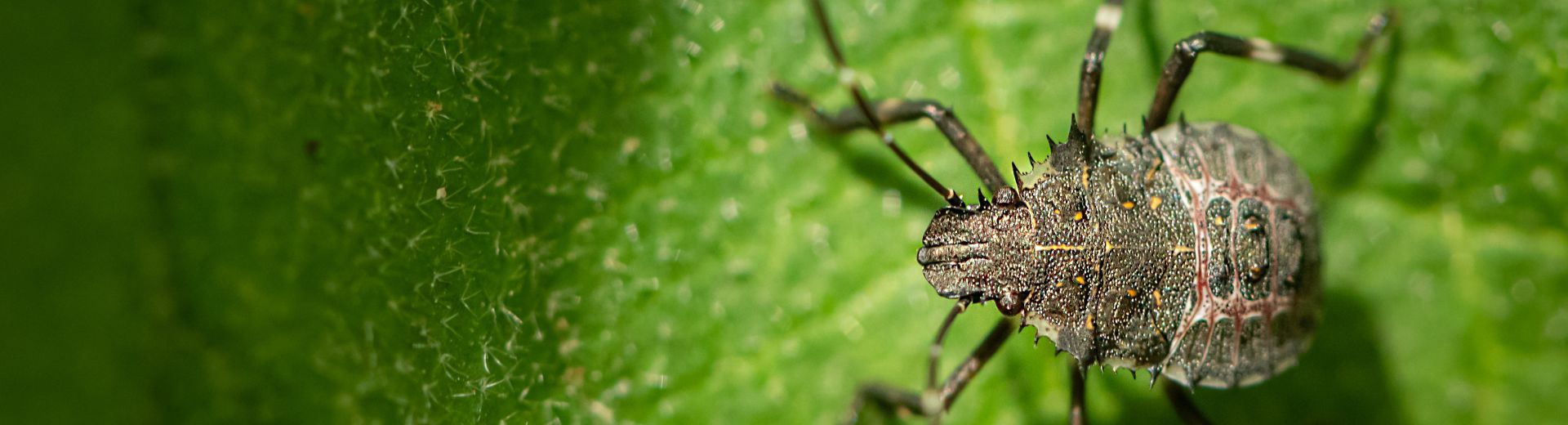
The brown marmorated stink bug (BMSB) season is back. More cargo lines are being flagged for MPI checks, and Transitional Facility staff are still finding pests in containers. The October 2026 issue of The BorderSpace, Biosecurity New Zealand's border newsletter, covers all of it.
Here's what's changed this season, and what importers, freight forwarders, Transitional Facility operators and Accredited Persons need to know.
BMSB Season: What's Changed for Containers
This is New Zealand's tenth BMSB season. The high-risk period runs from 1 September to 30 April. Last season ended with 62 live bugs detected, a low number for what Biosecurity New Zealand calls one of the world's nastiest hitchhiking pests.
Container checks again target high-risk goods from countries with known BMSB populations. Vehicles, machinery and parts are the bug's favourite hiding places, and they remain the main focus. This season also brings some changes:
-
Goods from Italy, particularly ceramics and tiles, are getting a closer look after detections in Australia.
-
More full containers treated offshore or under approved systems will be checked on arrival.
-
Uzbekistan and the United Kingdom are on the watchlist. Uzbekistan is expected to become a full BMSB-risk country.
-
Random audits of goods from all countries will continue, along with inspections based on detections and intelligence.
-
Routine air freight checks aren't planned for 2026/27, because detection rates on that route have been low for several years.
Biosecurity New Zealand has also set up a nationwide network of BMSB Champions among its quarantine officers. They act as local experts and help make sure changes to procedures reach the frontline quickly.
If you unpack containers, know what you're looking for. BMSB has black and white bands on its antennae and along the sides of its abdomen.
Breakbulk, Vehicles and Machinery
Vessels carrying cargo that isn't in containers (breakbulk) from BMSB-risk countries are being watched closely. Biosecurity New Zealand uses pre-arrival information from shipping lines and crew to judge each vessel's risk, then plans its on-arrival inspection to match.
The yearly New Vehicle and Machinery Verification Programme is also running again. It inspects close to 5,000 new vehicles and 700 machinery imports each year.
Port and Cargo Activity
Far more cargo lines were flagged as of interest to MPI than a year ago:>
-
July 2026: 50,286 lines, up from 41,748 in July 2025 (about 20%)
-
August 2026: 45,062 lines, up from 36,915 in August 2025 (about 22%)
Sea container arrivals held steady at around 61,000 a month, with between 2,500 and 3,100 inspected each month.
Frontline Finds at Christchurch Transitional Facilities
Two recent finds show how much rests on the people unpacking containers.
While preparing a 40-foot refrigerated container of Australian mandarins for sample inspection, staff spotted fresh rodent droppings. They closed the container and had it fumigated straight away. A live rat was later found in a paper nest inside one of the bins. That bin was destroyed as quarantine waste. The remaining 59 bins, about 21,600 bags of mandarins, went for deep burial at Kate Valley Landfill.
The second find was less of a threat but more of a surprise. A 21-tonne load of scrap aluminium, bronze and brass declared for recycling held a 3.7-tonne bag of old British two-shilling coins. The container had been fumigated on arrival, raised no biosecurity concerns and passed inspection.
Pests to Watch in Imported Goods
The newsletter includes factsheets on three pests that could reach New Zealand through imported goods.
Citrus longhorn beetle is one of the most destructive pests of fruit trees. It feeds on more than 100 host plants, including citrus, apples and pears. Its eggs, larvae and pupae can travel in nursery stock, wood products and wooden packaging. That's why New Zealand requires at least three months' quarantine for imported nursery stock and treated wooden packaging. Adults are black and shiny with white to blue spots. Males are about 21mm long and females about 37mm.
Melon fly and Mediterranean fruit fly (medfly) both lay their eggs in fruit and vegetables, where the larvae feed and cause rot. Melon fly has been found at the New Zealand border a few times but never inside the country. Medfly larvae can feed on more than 500 types of fruit and vegetables. It handles cold better than many fruit flies, so it could establish in more parts of New Zealand. Commercial shipments from countries with melon fly must be treated before they arrive.
What This Means for Industry
Most of this season's changes land on the people handling containers every day. If you run a Transitional Facility or work as an Accredited Person, make sure your team can identify BMSB, knows the contain-and-report procedure, and knows which goods are getting a closer look this season. That includes Italian ceramics and tiles, offshore-treated containers, and goods from Uzbekistan and the UK.
With more cargo lines being flagged for checks, a well-trained team is your best protection against delays, seizures and risk goods slipping through.
If you spot a suspected BMSB or other pest, photograph it, contain it if you can, and call Biosecurity New Zealand on 0800 80 99 66.
For more information or specific queries regarding these insights, you can visit the Ministry for Primary Industries website: https://www.mpi.govt.nz/
Not sure how this season's changes affect your business?
We work with importers, exporters, Transitional Facility operators, freight forwarders and logistics providers to make biosecurity requirements clearer and easier to get right, from Accredited Person training to inspections and verification.
Contact our team to find out how we can help.